From Rehab to ‘I Do’: The Truth About Marriages After Recovery
It requires strength, patience, and a commitment to recovery that outlasts the toughest days. The road to alcohol recovery often involves multifaceted strategies, including professional therapy, counseling, support groups, and in some cases, medication. It is a persistent pattern of alcohol consumption that causes distress or significant impairment, often disrupting family life, including marital relationships. Common signs include an inability to control drinking, neglecting personal and professional responsibilities, and a heightened focus on alcohol. This consistent pattern Drug rehabilitation of deceit and irresponsibility can cause the trust once nurtured to crumble. There are over 40 million people in the U.S. alone living with substance use disorder.
Effects of Addiction on Marriages
Moreover, addiction takes an emotional toll on the person, causing feelings of guilt, shame, and isolation. The addicted individual may become emotionally distant, unreliable, and prone to https://ecosoberhouse.com/ unpredictable behavior, leaving their partner feeling helpless, betrayed, and hurt. This is a common reality for many people living with an alcoholic in WV or someone addicted to drugs.
Say ‘No’ to Addiction Before Saying ‘I do’ to Your Spouse
- When one partner decides to change their behavior (quit using drugs and alcohol), it causes ripples throughout the family system.
- Both partners should feel free to express their needs and wants without fear of judgment or reprisal.
- In fact, marriages where one or both partners struggle with addiction are twice as likely to end in divorce than those without this issue.
- What makes Casa Palmera distinct from other treatment facilities is our desire to not only heal the body, but also aiming to heal the mind and spirit.
- When your spouse does things that incite an urge to drink, make a note of those things and come up with a plan.
It is helpful to set boundaries, and there must be accountability. You have two choices when you’re in a relationship or married to somebody who is experiencing a substance use or mental disorder. You can be with them under stressful conditions or care for yourself and the children; you can’t have both.
Here are the three basic steps to creating a boundary:
The spouse usually pulls their spouse out of treatment at or around 30 days. Spouses become martyrs, and martyrs become victims, and victims are more worried about what’s going to happen to them than they are about their loved ones getting better. It’s not the spouse’s fault they have become martyrs as a result of their loved one’s substance use and mental disorder, and that’s what happens. The worry is more about what will happen to the affected spouse when their impaired spouse goes to rehab than if they don’t. The fears and concerns are often about getting sober and clear-headed, and whether they will still love you. All of these stressors can result in the addict drinking or using in order to return to the familiar status quo.
Professional treatment can help you and your partner cope with the negative effects of substance use. Living with someone who has substance use disorder can be difficult, and also create changes in your relationship. Although recovery is positive for the whole family, it may not divorce rates after sobriety be as idyllic as you hope.
A therapist can also assess if both partners are truly ready for marriage and help address any concerns or doubts. Remember, recovery isn’t just about ceasing alcohol consumption—it’s about regaining trust, mending relationships, and reaffirming commitments. With resilience, support, and the right tools, marriages can not only survive alcoholism, they can emerge stronger from the experience.
- Lyle was VP of a 6-county homeless coalition and a founding member of the Mental Health Action Team in Miami-Dade County.
- Personal communication, licensed marriage and family therapist.
- The effects of addiction on a marriage can be devastating and often lead to divorce or separation.
Professional help may also be necessary as you work to rebuild your relationship. You may want to agree to a system that will help you rebuild trust, like promising to always call your spouse if you’ll be home late. Once you agree to a system, be sure to consistently honor it. Otherwise, trust will continue to be damaged instead of repaired. The fact that seeing you imbibe has such a negative effect on your husband may be an indication that his own sobriety is shaky. If you really feel the need to have an alcoholic beverage (or two or three), consider doing it away from the house with women friends.
Don’t forget to find addiction therapy that works for you and your partner in the process because that will make those victories even sweeter. Recovery from addiction is a journey of many small victories. It is important for couples to acknowledge and celebrate each milestone along the way. By rejoicing in progress, no matter how small, couples reinforce their commitment to supporting and uplifting each other.
Learn about substance use disorder

The first step in overcoming addiction and saving a marriage is for the individual struggling with addiction to seek help and enter into a rehabilitation program. As they focus on their recovery, couples can also participate in therapy together to address their underlying issues and learn healthy ways to communicate and manage conflict. Addiction recovery would be easy if all you had to do was love somebody into rehab or sobriety.
Can meditation and other mindfulness techniques help decrease symptoms of addiction? How?
Despite the damage caused by addiction, many relationships not only survive rehab but emerge stronger on the other side. It requires consistent effort, patience, and a shared commitment to change. Both individuals in the relationship must engage in the process—not just the one undergoing treatment. Read on to learn more about SUD, the impact of drug addiction on marriages, and strategies to help couples seek treatment and rebuild their relationships. Seeking professional help is a crucial step in addressing addiction within a marriage.
It’s well-known that substance use disorder (SUD) can negatively affect relationships. But what many people don’t realize is that even after sobriety, addiction can continue to have a negative impact. If you’re in a marriage where one partner is struggling with alcoholism, it’s important to get help. There are resources available to help you deal with the problem. Alcoholism is a serious disease, but it can be overcome with treatment and support.
Live Addiction Free Life!
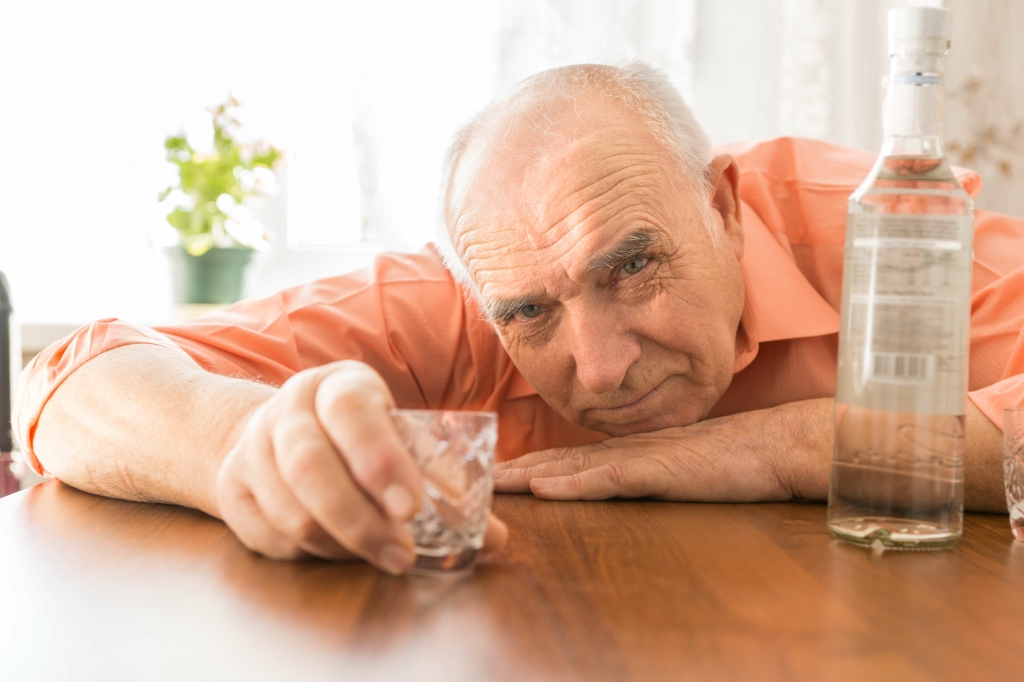
Professional therapists, counselors, and addiction specialists play a vital role in providing guidance, support, and evidence-based treatments. They can help couples navigate the complexities of addiction, identify underlying issues, and develop effective coping strategies. The best advice we can give you at this point is – if you or your partner have a problem with, for example, alcoholism, you should look for alcohol rehab in WV as soon as possible. Firstly, we have discussed the impact of addiction on marriages, highlighting its detrimental effects on communication, trust, and intimacy.



Tuliskan Komentar